Learning that your cat has HCM naturally brings up many questions about what lies ahead. While an HCM diagnosis is serious, the reality is that many cats with this condition live comfortable, active lives for years.
To live successfully with a cat diagnosed with HCM, the primary focus is proactive care based on the disease stage. This involves close partnership with your veterinarian, establishing baseline resting breathing rate (RBR) through simple at-home monitoring, immediate attention to emergency signs like difficulty breathing, and tailored medication management to maintain health and quality of life.
Dr. Bill Tyrell, DACVIM (Cardiology), a veterinary cardiologist with CVCA Cardiac Care for Pets in Virginia, explains why each cat's journey with HCM is unique: “There are many variations of HCM, and the progression of disease is all dependent on the cat's genetic makeup. Some cats can live a very, very long time with HCM.”
Understanding your cat's HCM journey: What the stages mean
Veterinarians classify HCM into stages based on your cat’s symptoms and heart changes. Understanding these stages helps you know what to expect as you work with your veterinary team on the right treatment approaches.
- Stage A: At-risk but healthy
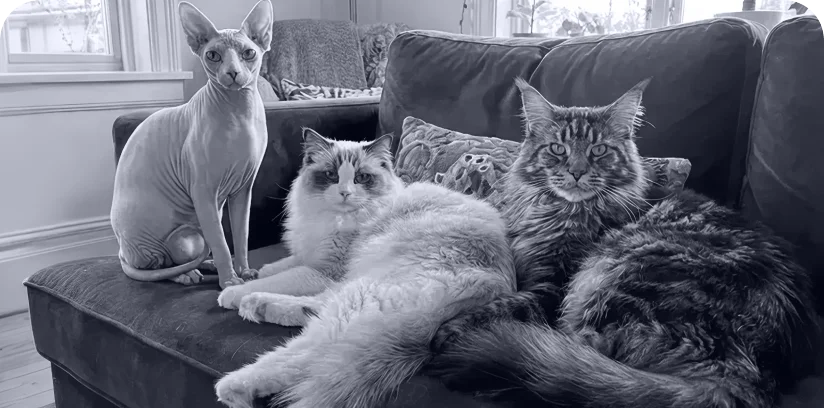
These are cats considered at high risk for developing HCM due to breed (Maine Coon, Ragdoll, Sphynx, etc.) or family history, but their hearts still appear normal on testing. Regular monitoring, especially annual physical exams, helps the veterinary team catch any changes early. - Stage B1: Early subclinical HCM
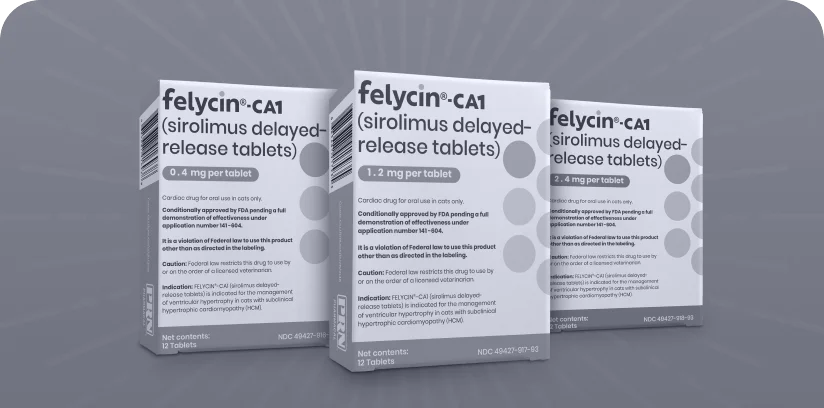
The heart muscle has begun to thicken, but cats remain symptom-free. This is the best-case stage for an HCM diagnosis because intervention can begin right away. Cats diagnosed in this stage can often live long lives with excellent quality of life. This is an ideal stage for intervention with Felycin®-CA1 (sirolimus delayed-release tablets) to slow disease progression.
Felycin-CA1 is the first FDA conditionally approved medication designed specifically to target the underlying disease process in cats with subclinical HCM. It’s a once-weekly treatment that offers a proactive approach to managing heart disease before symptoms appear. - Stage B2: Advanced subclinical HCM
The heart muscle thickening has progressed, and the heart's top left chamber may be starting to enlarge. While many cats still act and feel normal, they’re at increased risk for developing heart failure or blood clots. Felycin-CA1 treatment remains beneficial.Dr. Sarah Bell, DACVIM (Cardiology), a veterinary cardiologist with CVCA Cardiac Care for Pets in Louisville, Kentucky, emphasizes the benefit of treating cats with subclinical HCM: “Prior to the release of Felycin-CA1, there was no proven or effective treatment to target cats in the subclinical phase. So, it provides us a wonderful opportunity to help manage them and keep them in that subclinical phase.”
- Stage C: Clinical HCM
Cats in this stage show symptoms of heart disease, such as difficulty breathing, lethargy, or reduced appetite. This means they've developed congestive heart failure or experienced blood clots. The focus shifts from disease management to managing symptoms and maintaining comfort. - Stage D: Advanced clinical HCM
Cats experience severe symptoms that are difficult to control even with multiple medications. This represents the most advanced stage of the disease, where maintaining comfort and quality of life are the primary concerns.
Monitoring your cat at home: What it actually involves
Living with a cat diagnosed with HCM doesn’t mean being a full-time nurse who’s constantly on guard. Instead, the goal of at-home monitoring is to understand baseline patterns so you can recognize if an emergency does arise. It’s not about perfect vigilance. It’s about informed awareness.
The key at-home monitoring skill: Resting breathing rate
When your cat has HCM, occasionally monitoring their resting breathing rate (RBR) is important. While your cat is sleeping or deeply relaxed, count the number of times their chest rises in a minute. Each rise is considered a breath. Anything under 30-35 breaths per minute is considered normal.
When to call the veterinarian
While most HCM monitoring is about watching patterns, certain situations require immediate action. Call your veterinarian right away if you notice any of these signs, which can indicate congestive heart failure or blood clots.
- Breathing emergencies
- Rapid breathing that’s clearly different from your cat’s normal resting breathing rate
- Open-mouth breathing or using belly muscles to breathe
- Blue or pale gums
- Mobility emergencies
- Sudden inability to use back legs or dragging rear legs
- Extreme pain or distress, especially involving the back end
- General emergency signs
- Sudden collapse or fainting
- Complete loss of appetite combined with lethargy
- Extreme hiding or behavior changes that seem severe
Managing medications for feline HCM
For cats with subclinical HCM, Felycin-CA1 provides a once-weekly way to help slow or even reverse disease progression. Dosing just once a week is less stressful for you and your cat compared to other feline heart medications that must be given daily or multiple times a day.
If your cat's HCM progresses to the clinical stage, your veterinarian will likely start your cat on other heart medications, such as those that:
- Help remove excess fluid (diuretics)
- Help the heart pump more effectively
- Manage blood clots
- Control heart rate
Making cats with HCM comfortable at home
Cats with subclinical HCM usually don’t require any special accommodations, because they continue living normal, active lives, especially if their disease is being managed. If your cat's HCM reaches advanced stages, making small changes at home can significantly improve their comfort and quality of life.
- Reducing physical stress
- Make sure food and water bowls are easily accessible, usually at floor level
- Place litter boxes on the same level as your cat's favorite resting spots
- Create comfortable resting areas on the floor so your cat doesn't have to jump
- Consider ramps or steps to favorite perches
- Managing breathing difficulties
- Ensure good air circulation in your cat's favorite areas
- Keep your home at a comfortable temperature—avoid extremes
- Reduce stress from other pets or household changes
- Provide quiet, peaceful spaces for rest
- Planning proper nutrition and hydration
- Work with your veterinary team on any dietary modifications
- Ensure fresh water is always easily accessible
- Monitor eating habits and report significant changes
No matter the stage, successfully managing feline HCM boils down to proactivity and ongoing partnership with your veterinary team.
Frequently Asked Questions
If your cat has been diagnosed with HCM, work closely with your veterinary team to develop a monitoring and management plan that works for your family. Every cat’s journey is different, but with proper support and early detection, many cats are active and thriving for years to come.