Learning that your cat needs an echocardiogram to check for hypertrophic cardiomyopathy (HCM) naturally raises questions. As a cat owner, you want to understand what this test involves and what the results might mean for your cat’s health and future care.
An echocardiogram is the definitive, non-invasive diagnostic tool to identify HCM in cats, capturing moving pictures of the heart to measure heart wall thickness and more. It is the gold standard for diagnosis because it reveals the intricate structure of the heart and distinguishes HCM from other causes of heart thickening.
To understand the critical nature of this diagnosis, consider the scope: Studies show that up to 15% of all cats have HCM, making it the most common heart disease in felines.1,2
What is a feline echocardiogram?
Think of an echocardiogram as a specialized ultrasound that creates moving pictures of your cat's heart. While X-rays show the heart's outline, an echocardiogram reveals the details of the heart’s structure and function. The veterinarian can see the heart muscle thickness, chamber sizes, valve function, and blood flow patterns—all crucial information for diagnosing heart conditions like HCM.
Why your cat might need an echocardiogram
Most cats who need echocardiograms for suspected HCM appear healthy. HCM is often called the "silent killer" because cats rarely show symptoms until the disease is advanced. Your veterinarian might recommend this test if they've detected:
- A heart murmur or irregular heartbeat during your cat's routine exam. This is how most cases are first discovered.
- Elevated heart markers in blood work, specifically an NT-proBNP test that screens for heart disease.
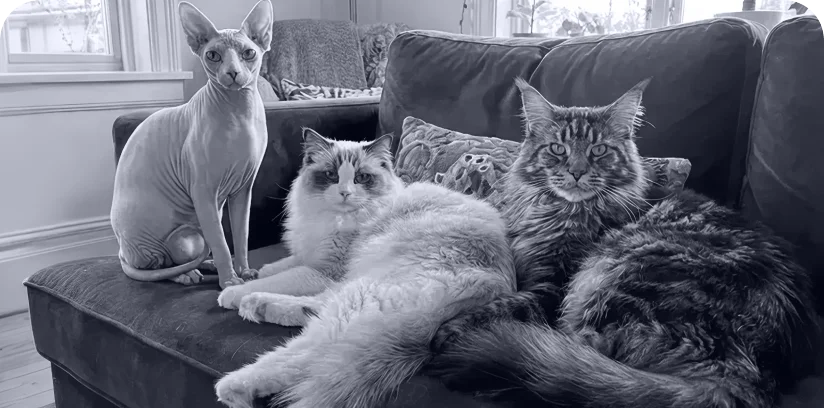
- High-risk breed status. Maine Coons, Ragdolls, Sphynx, and several other breeds are more likely to develop HCM.
- Family history of heart disease, especially if you know your cat's relatives have been diagnosed.
- Symptoms like rapid breathing or lethargy, though these often indicate the disease has already progressed.
What to expect during your cat’s echocardiogram
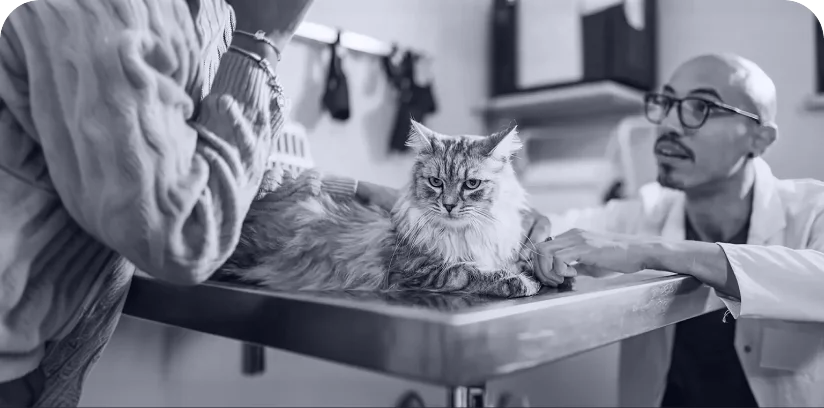
If your regular veterinarian suspects heart disease, they'll likely refer you to a veterinary cardiologist who has specialized echocardiogram equipment and advanced training in feline heart conditions. Your veterinarian will share your cat's medical records directly with the specialist, so you don't need to worry about transferring files.
The 20- to 30-minute process
There’s nothing special you need to do ahead of the appointment. Your cat doesn't need to fast, and you can maintain their normal routine. Simply bring them to the clinic in their regular carrier.
Prepping your cat: The echocardiogram is completely painless, so sedation isn’t required; however, cats may need light sedation to help them stay still and relaxed. Your cat will be gently positioned on their side on a padded table, though some cats do better sitting up or in other comfortable positions.
A small area of fur on your cat's chest might be shaved to ensure good contact with the imaging probe. Then the veterinary cardiologist applies ultrasound gel, which feels cool and slightly wet, and moves a small probe across your cat's chest to capture images from different angles.
What you’ll see: Many veterinary practices allow you to stay in the room, which often helps keep your cat calm. You'll likely be able to watch your cat's heart beating in real-time on the monitor.
What the veterinarian sees: During the echocardiogram, the cardiologist is taking precise measurements and looking for specific changes that indicate heart disease. They're particularly focused on heart wall thickness, chamber sizes, and how well the heart is pumping. For HCM specifically, they're measuring whether the heart muscle has thickened beyond the 6 mm threshold and ruling out other conditions that can cause similar changes, like high blood pressure or hyperthyroidism.
After the scan
There's no recovery time needed. Depending on the clinic, once the echocardiogram is complete, you and your cat will either:
- Check out and head home. Once you get home, your cat can return to normal activities while you wait for the cardiologist to contact you with the results.
- Wait for a few minutes while the cardiologist reviews the images and measurements. Then they will discuss the findings with you immediately.
Understanding the results of your cat’s echocardiogram
When the echocardiogram results are ready, the cardiologist will explain what they found. Some veterinarians may show you the actual images on the monitor.
Normal results
If your cat's heart looks normal, you'll get valuable peace of mind. Your veterinarian may recommend periodic rechecks, especially if your cat is a high-risk breed like a Maine Coon, Ragdoll, or Sphynx cat.
HCM diagnosis
The key measurement for HCM is heart wall thickness. Anything equal to or greater than 6 mm indicates HCM, while normal cats’ heart walls are less than 6 mm.
If HCM is diagnosed, the results will show how severe the heart muscle thickening is and which areas of the heart are affected. The distinction between these two stages of HCM is crucial because it determines which management approaches will be most effective for your cat:
- Subclinical HCM means your cat appears healthy and active, but the heart muscle has begun to thicken. This is the ideal time for intervention with Felycin-CA1.
- Clinical HCM means the disease has progressed to the point where your cat may be showing symptoms like rapid breathing, lethargy, or reduced activity. This stage requires more immediate symptom management.
New management option for cats with subclinical HCM
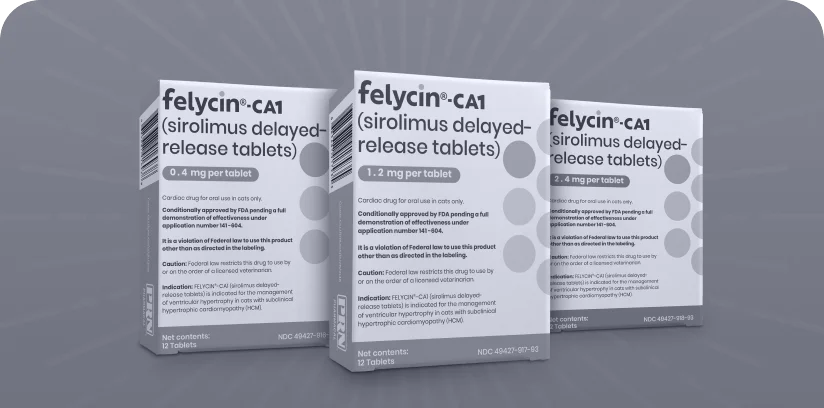
For years, veterinarians could only offer "wait and watch" for cats with early-stage HCM. Now there's Felycin-CA1, the first FDA conditionally approved once-weekly medication designed specifically for subclinical HCM in cats.
Unlike traditional heart medications that manage symptoms after they appear, Felycin-CA1 targets the underlying disease process. It works by regulating the cellular pathway that causes abnormal heart muscle growth, potentially slowing or even reversing the thickening that characterizes HCM.
Felycin-CA1 is a once-weekly pill, making it more convenient than other heart medications that require daily or twice-daily dosing. The RAPACAT clinical study showed that cats treated with Felycin-CA1 had significantly reduced heart wall thickness after six months, while untreated cats’ heart walls continued to thicken.3
Why early detection matters
Studies show that 23% of cats with untreated HCM suffer cardiovascular mortality within five years of diagnosis.1,4 But when HCM is caught early through an echocardiogram, veterinarians can now offer Felycin-CA1 to proactively manage the disease and help make a difference in your cat’s heart health.
The alternative—waiting until symptoms appear—often means the cat is already in heart failure, with limited management options and a more guarded prognosis.
Frequently Asked Questions
Taking the next step
If your veterinarian has recommended an echocardiogram for your cat, this test provides crucial information that can guide your cat's healthcare for years to come. The procedure is safe and provides immediate answers about your cat's heart health.
For cats diagnosed with subclinical HCM, ask your veterinarian about Felycin-CA1 and whether this new management option might benefit your cat. Early intervention can make a significant difference in maintaining your cat's quality of life.
References
1 Fuentes VL, Abbott J, Chetboul V, et al. ACVIM consensus statement guidelines for the classification, diagnosis, and management of cardiomyopathies in cats. JVIM 2020;34:1062-1077.
2 Kittleson MD, Cote E. The feline cardiomyopathies: Hypertrophic cardiomyopathy. JFMS 2021;23:1028-1051.
3 Kaplan JL, Rivas VN, Walker AL, et al. Delayed-release rapamycin halts progression of left ventricular hypertrophy in subclinical feline hypertrophic cardiomyopathy: results of the RAPACAT trial. JAVMA 2023;261(11):1628-1637.
4 Fox PR, Keene BW, Lamb K, et al. International collaborative study to assess cardiovascular risk and evaluate long-term health in cats with preclinical hypertrophic cardiomyopathy and apparently healthy cats: The REVEAL Study. JVIM 2018;32:930-943.