
HCM could be waiting to strike
Subclinical hypertrophic cardiomyopathy (HCM) is a deadly disease that affects 1 in 7 cats.1,2 HCM causes a cat’s heart muscle to thicken, reducing the heart's pumping efficiency and can lead to serious health complications, including sudden death.
HCM develops silently with little to no warning
In the early stages (the best time to intervene) your cat may:

Act completely normal

Have regular energy levels

Eat and play as usual
Annual checkups are the ONLY way to catch HCM early
The only way to know if your cat has HCM is through veterinary testing. If your cat receives an HCM diagnosis, ask your veterinarian about Felycin®-CA1 (sirolimus delayed-release tablets).
If left untreated, HCM can lead to:

Congestive heart failure
Fluid builds up in or around the lungs, making breathing difficult.

Aortic Thromboembolism
Causes blood clots, which can travel to the legs and cause paralysis.

Abnormal heart rhythms
These can sometimes lead to fainting or even sudden death.
of cats with HCM suffer cardiovascular mortality within 5 years of diagnosis.1,3
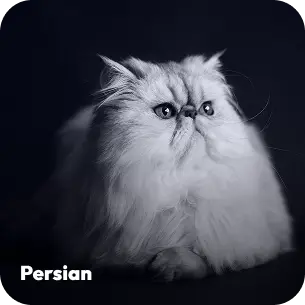
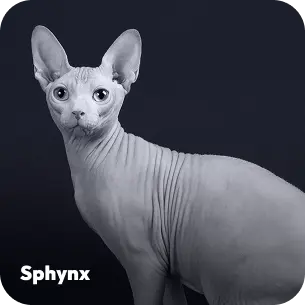
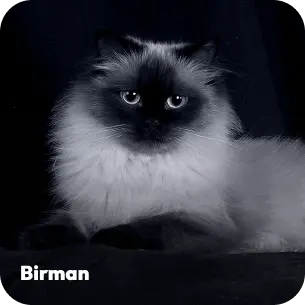
Cat breeds with a higher incidence of HCM
Cats of any age, sex or breed can develop HCM.1,2 However older male cats tend to be predisposed and it is more common in certain breeds including Maine Coons, Ragdolls and Sphynxes.1





When was your cat’s last checkup?
Knowing if your cat has HCM can help you make the best decisions for their care. If your cat is diagnosed with HCM, ask your veterinarian about Felycin-CA1.
References
1 Fuentes VL, Abbott J, Chetboul V, et al. ACVIM consensus statement guidelines for the classification, diagnosis, and management of cardiomyopathies in cats. JVIM 2020;34:1062-1077.
2 Kittleson MD, Cote E. The feline cardiomyopathies: Hypertrophic cardiomyopathy. JFMS 2021;23:1028-1051.
3 Fox PR, Keene BW, Lamb K, et al. International collaborative study to assess cardiovascular risk and evaluate long-term health in cats with
preclinical hypertrophic cardiomyopathy and apparently healthy cats: The REVEAL Study. JVIM 2018;32:930-943.